
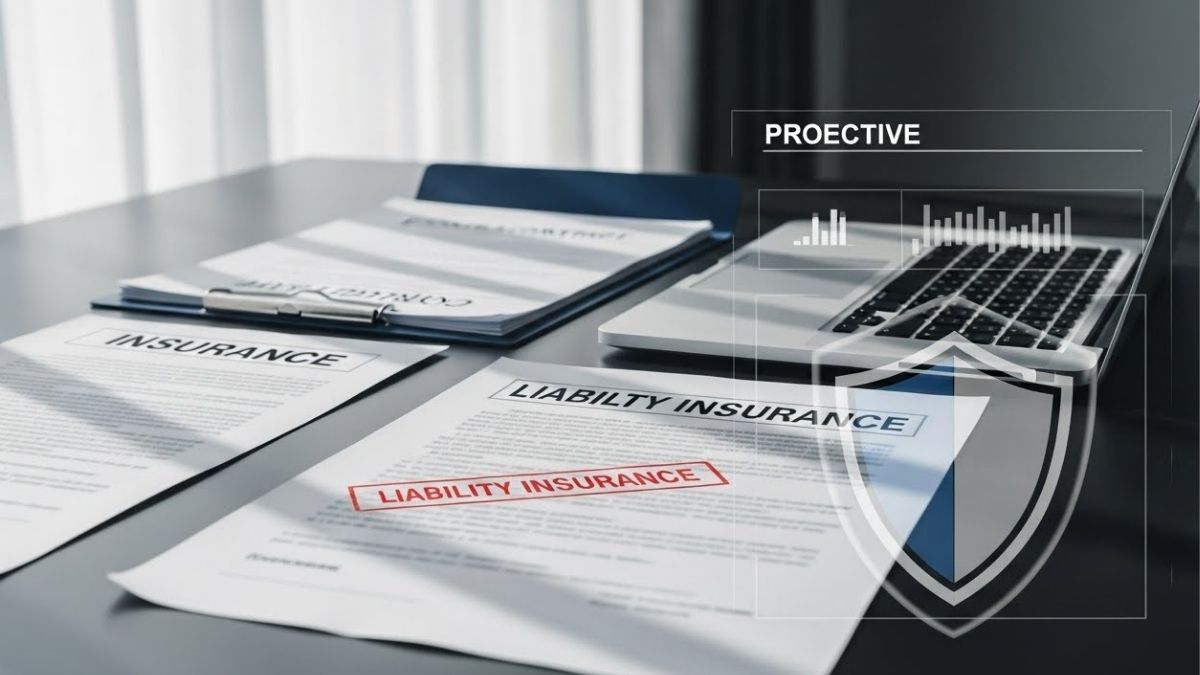
Every business, whether small, medium, or large, faces risks in its daily operations. A customer could get injured at your store, a client could sue your company for damages, or a product could cause unexpected harm. These risks aren’t rare – they are real possibilities in the business world. This is why understanding Liability Insurance Coverage is not just helpful, but essential.
In today’s highly competitive and legally sensitive market, businesses must be prepared for unforeseen legal expenses. Lawsuits, claims, and legal disputes can drain your financial resources, damage your reputation, and even force your business to close. This is where Liability Insurance acts as a safety shield, protecting your company from the financial consequences of accidents, injuries, and claims.
This article explores the complete guide to Liability Insurance Coverage every business must know, including types, benefits, working processes, real-life examples, and tips to choose the right coverage plan.
What is Liability Insurance and Why It Matters
Liability Insurance is a type of business insurance that protects your company against claims of injury, damage, or negligence. It covers the cost of legal defense, settlements, and compensation if your business is found responsible for harm or loss.
Unlike property insurance, which protects physical assets, Liability Insurance focuses on legal and financial protection. It ensures that one lawsuit doesn’t destroy everything you have built over the years.
Businesses that operate without Liability Insurance expose themselves to serious risks, including:
-
Expensive lawsuits
-
Legal defense fees
-
Medical expense claims
-
Compensation payouts
-
Business reputation damage
Without proper coverage, even a small claim can have devastating financial consequences.
Types of Liability Insurance That Every Business Should Understand
There are different types of Liability Insurance available depending on your business industry and risks. Understanding these types helps you choose the right protection for your company.
General Liability Insurance for Everyday Business Risks
General Liability Insurance covers common risks such as:
-
Customer injuries on your business premises
-
Property damage caused by your operations
-
Advertising harm such as libel or slander
This is the most basic and essential form of business protection.
Professional Liability Insurance for Service-Based Businesses
Professional Liability Insurance, also known as Errors and Omissions (E&O), protects businesses that provide professional services or advice.
It covers:
-
Negligence claims
-
Mistakes or errors in service
-
Failure to deliver promised results
Service providers such as consultants, accountants, and designers benefit greatly from this coverage.
Product Liability Insurance for Manufacturing and Retail Businesses
Product Liability Insurance protects businesses from claims arising from defective or harmful products.
It covers:
-
Manufacturing defects
-
Design flaws
-
Inadequate product warnings
Any business that sells or manufactures products should consider this coverage highly essential.
Employer’s Liability Insurance for Workplace Protection
Employer’s Liability Insurance protects businesses from employee-related injury claims. If an employee gets injured or sick due to workplace conditions, this insurance helps cover legal expenses and compensation.
How Liability Insurance Protects Your Business Financially
The financial protection offered by Liability Insurance can make the difference between business survival and closure.
Here’s how it helps:
-
Pays legal defense costs
-
Covers court fees
-
Pays settlements and judgments
-
Covers medical expenses for injured parties
Without Liability Insurance, you would have to pay these expenses out of pocket, which can instantly affect your business cash flow and stability.
This insurance acts as a financial safety net that allows business owners to focus on growth rather than fear of lawsuits.
Industries That Strongly Need Liability Insurance
Some industries face higher legal and financial risks than others. These businesses should prioritize strong coverage:
-
Retail stores
-
Food and beverage businesses
-
Manufacturing companies
-
Construction companies
-
Healthcare service providers
-
E-commerce stores
Each of these industries interacts heavily with customers, suppliers, and employees, increasing the risk of legal claims.
How Liability Insurance Claims Work in Real Situations
Understanding the claims process gives clarity on how this coverage works in real-world scenarios.
Example 1: Customer Injury Claim
A customer slips and falls inside your store due to a wet floor. The customer sues your business for medical expenses.
Liability Insurance covers:
-
Medical bills
-
Legal defense fees
-
Settlement amounts
Example 2: Property Damage Claim
Your employee accidentally damages a client’s property while working on-site. The affected party files a claim.
Here, Liability Insurance covers the cost of property repair or replacement along with legal expenses.
Benefits of Having Liability Insurance for Business Growth
While some businesses view insurance as an extra expense, smart business owners see Liability Insurance as an investment.
Key benefits include:
-
Financial stability during legal disputes
-
Increased trust from clients and partners
-
Compliance with legal and industry regulations
-
Peace of mind for business owners
With strong coverage, your business can operate confidently even in risky industries.
How Much Does Liability Insurance Cost?
The cost of Liability Insurance depends on multiple factors:
-
Business size
-
Industry risk level
-
Number of employees
-
Annual revenue
-
Claims history
Small businesses may pay affordable monthly premiums, while large corporations may have higher annual costs. However, the protection it provides often far outweighs the premium costs.
How to Choose the Right Liability Insurance Policy
Selecting the right Liability Insurance requires careful evaluation of your business risks and needs.
Consider these steps:
-
Identify high-risk areas in your business
-
Determine legal requirements in your industry
-
Compare coverage limits
-
Review exclusions carefully
-
Consult licensed insurance advisors
Choosing the wrong policy could leave gaps in your protection, so it’s important to be thorough in your evaluation.
Common Mistakes Businesses Make with Liability Insurance
Many businesses make avoidable mistakes when purchasing Liability Insurance coverage.
Some of the most common mistakes include:
-
Choosing the cheapest policy without proper coverage
-
Underestimating business risks
-
Ignoring policy exclusions
-
Not reviewing coverage annually
Avoiding these mistakes ensures your business remains financially and legally protected.
Legal Requirements for Liability Insurance Around the World
In many countries, certain forms of Liability Insurance are mandatory, especially for high-risk industries.
For example:
-
Construction companies often require mandatory coverage
-
Healthcare providers must have malpractice liability coverage
-
Employers must carry workplace injury liabilities
Researching and complying with local regulations helps your business avoid fines and legal penalties.
Future Trends in Liability Insurance for Businesses
Business environments are evolving, and so are the risks. As digital platforms grow, new risks such as cyber liability and data breaches are becoming more common.
Modern Liability Insurance products now include:
-
Cyber liability protection
-
Data breach coverage
-
Digital risk management
These changes ensure businesses stay protected in the digital age.
Frequently Asked Questions About Liability Insurance
What Does Liability Insurance Not Cover?
It does not cover:
-
Intentional criminal acts
-
Employee theft
-
Damage to your own property
Understanding exclusions helps avoid confusion during claims.
Is Liability Insurance Mandatory?
In many industries, yes. Even when not legally required, it is highly recommended.
Can Small Businesses Benefit from Liability Insurance?
Absolutely. Small businesses are often more financially vulnerable to lawsuits, making protection even more important.
Why Every Business Must Invest in Liability Insurance
At the end of the day, business success is not just about making profits, but about protecting what you have built.
A single lawsuit can destroy years of hard work. With Liability Insurance, your business gains:
-
Financial protection
-
Legal security
-
Operational confidence
-
Long-term sustainability
This makes it one of the smartest investments any business owner can make.
Also read: How Entrepreneurial Leadership Styles Fuel Innovation
Final Thoughts
Understanding and investing in Liability Insurance is no longer optional. It is a business necessity. From small startups to global corporations, every business needs protection against unexpected legal and financial risks.With the right coverage, you can run your business with confidence, ensure long-term success, and stay protected against the uncertainties of the modern commercial world.If you truly want to future-proof your business, Liability Insurance should be at the top of your priority list.