
In today’s digital world, a company’s online presence is more important than ever. Whether you run a small startup, a growing eCommerce store, or a large enterprise, your website serves as a critical touchpoint for customers, partners, and stakeholders. Behind every successful website lies a reliable hosting environment and a robust cloud infrastructure.
Business web hosting and cloud solutions have become essential tools for organizations seeking security, scalability, performance, and reliability. Traditional hosting methods may work for small websites, but modern businesses require advanced solutions that can adapt to changing demands and support continuous growth.
This article explores the importance of business web hosting and cloud solutions, their key benefits, available hosting options, and how organizations can choose the right solution for their unique needs.
What Is Business Web Hosting?
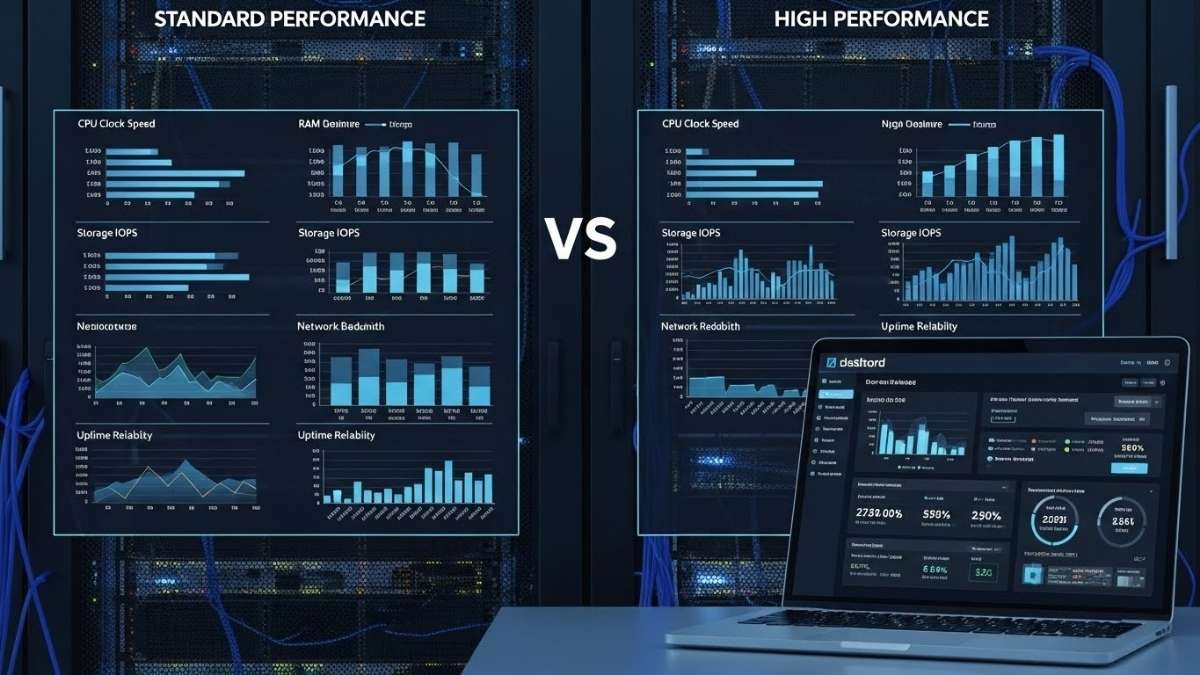
Business web hosting refers to professional hosting services specifically designed to support commercial websites and business applications. Unlike basic personal hosting plans, business hosting provides enhanced performance, security, uptime, and technical support.
A web hosting provider stores website files on secure servers connected to the internet. When users visit a website, the hosting server delivers the content quickly and efficiently. Business hosting plans are optimized to handle higher traffic volumes, sensitive customer data, and mission-critical applications.
Key features often include:
- High-speed SSD storage
- Enhanced security measures
- Daily backups
- Professional email hosting
- SSL certificates
- Advanced technical support
- Resource scalability
- High uptime guarantees
These features help businesses maintain a professional online presence while ensuring a smooth experience for visitors.
Understanding Cloud Solutions
Cloud solutions involve delivering computing resources such as storage, servers, databases, networking, and software over the internet. Instead of relying on a single physical server, cloud infrastructure distributes workloads across multiple connected servers.
This approach offers greater flexibility and reliability than traditional hosting methods. Businesses can access resources on demand and pay only for what they use.
Cloud services generally fall into three categories:
Infrastructure as a Service (IaaS)
IaaS provides virtualized computing resources, including servers, storage, and networking. Businesses can build and manage their own applications while using scalable cloud infrastructure.
Platform as a Service (PaaS)
PaaS offers a complete development environment where developers can build, test, and deploy applications without managing underlying hardware.
Software as a Service (SaaS)
SaaS delivers software applications through the internet. Users access the software through web browsers without installing programs locally.
Together, these cloud models help organizations improve efficiency, reduce costs, and accelerate innovation.
Why Businesses Need Professional Hosting and Cloud Solutions
A website is often the first impression customers have of a business. Poor performance, downtime, or security vulnerabilities can negatively impact credibility and revenue.
Professional web hosting and cloud solutions address these challenges by providing a stable and secure digital foundation.
Improved Website Performance
Website speed directly affects user experience. Slow-loading pages can frustrate visitors and increase bounce rates.
Modern business hosting platforms utilize advanced technologies such as:
- SSD storage
- Content delivery networks (CDNs)
- Optimized server configurations
- Load balancing systems
These technologies ensure faster page loading times and smoother website performance.
Enhanced Security
Cybersecurity threats continue to grow in complexity. Businesses must protect sensitive customer information and prevent unauthorized access.
Business hosting providers often include:
- SSL encryption
- Malware scanning
- Firewalls
- DDoS protection
- Automated security updates
- Intrusion detection systems
Cloud-based security solutions further strengthen protection by monitoring threats across distributed environments.
Greater Reliability
Downtime can lead to lost revenue, damaged reputation, and reduced customer trust.
Cloud infrastructure reduces downtime risks by distributing workloads across multiple servers. If one server experiences an issue, another server can take over, ensuring continuous service availability.
Scalability for Growth
Business needs can change rapidly. Seasonal traffic spikes, marketing campaigns, and business expansion may require additional resources.
Cloud hosting allows organizations to scale resources up or down instantly without purchasing expensive hardware. This flexibility helps businesses respond quickly to changing demands.
Types of Business Hosting Solutions
Different organizations have different hosting requirements. Understanding available hosting options helps businesses choose the most suitable solution.
Shared Hosting
Shared hosting places multiple websites on a single server. While affordable, it may not provide sufficient resources for growing businesses.
Best for:
- Small websites
- Personal blogs
- Startup projects
VPS Hosting
Virtual Private Server (VPS) hosting divides a physical server into multiple virtual environments.
Benefits include:
- Dedicated resources
- Better performance
- Greater customization
- Improved security
Best for:
- Growing businesses
- Medium-traffic websites
- Online stores
Dedicated Hosting
Dedicated hosting provides an entire server exclusively for one organization.
Advantages include:
- Maximum performance
- Full control
- Enhanced security
- Custom configurations
Best for:
- Large enterprises
- High-traffic websites
- Resource-intensive applications
Cloud Hosting
Cloud hosting distributes website resources across multiple servers.
Benefits include:
- High availability
- Automatic scalability
- Cost efficiency
- Disaster recovery capabilities
Best for:
- Growing companies
- eCommerce businesses
- Global organizations
Managed Hosting
Managed hosting allows businesses to outsource server management tasks to hosting experts.
Services often include:
- Software updates
- Security management
- Performance optimization
- Monitoring and support
Best for:
- Companies without dedicated IT teams
- Organizations seeking simplified management
Key Benefits of Cloud Infrastructure for Businesses
Cloud infrastructure has transformed how organizations manage digital operations.
Cost Savings
Traditional infrastructure requires significant investments in hardware, maintenance, and upgrades.
Cloud solutions reduce capital expenses by allowing businesses to pay only for the resources they consume.
Remote Accessibility
Cloud-based systems can be accessed from virtually anywhere with an internet connection.
This supports:
- Remote work
- Distributed teams
- Global collaboration
- Business continuity
Disaster Recovery
Unexpected events such as hardware failures, cyberattacks, or natural disasters can disrupt operations.
Cloud providers typically maintain multiple backup locations and redundancy systems, helping businesses recover quickly from disruptions.
Improved Collaboration
Cloud platforms enable teams to share files, applications, and data in real time.
Employees can collaborate efficiently regardless of location, improving productivity and communication.
Faster Deployment
Businesses can launch websites, applications, and services quickly without waiting for physical hardware installations.
This accelerates innovation and supports faster market entry.
Security Considerations for Business Hosting
Security should be a top priority when selecting hosting and cloud services.
Organizations should look for providers that offer:
Data Encryption
Encryption protects information during storage and transmission, reducing the risk of unauthorized access.
Regular Backups
Automated backups help ensure critical data can be restored in the event of accidental deletion or system failures.
Multi-Factor Authentication
MFA adds an extra layer of protection by requiring additional verification beyond passwords.
Compliance Support
Businesses operating in regulated industries may need hosting providers that support compliance requirements related to data protection and privacy.
Continuous Monitoring
Proactive monitoring helps identify potential threats before they become serious security incidents.
How to Choose the Right Business Hosting Provider
Selecting the right provider requires careful evaluation of several factors.
Performance and Uptime
Look for providers offering high uptime guarantees and proven performance records.
Scalability
Choose a solution that can grow alongside your business without requiring major infrastructure changes.
Security Features
Evaluate included security measures, backup options, and threat protection capabilities.
Technical Support
Reliable customer support is essential, especially during critical issues or unexpected outages.
Pricing Transparency
Review pricing structures carefully to avoid hidden fees and ensure the service aligns with your budget.
Reputation and Experience
Research customer reviews, industry reputation, and years of experience before making a decision.
Future Trends in Web Hosting and Cloud Computing
Technology continues to evolve rapidly, shaping the future of business hosting.
Artificial Intelligence Integration
AI-powered systems are improving security monitoring, predictive maintenance, and performance optimization.
Edge Computing
Edge computing processes data closer to users, reducing latency and improving application performance.
Hybrid Cloud Environments
Many organizations are combining private and public cloud resources to achieve greater flexibility and control.
Green Hosting Initiatives
Sustainability is becoming increasingly important, with providers investing in energy-efficient data centers and renewable energy sources.
Enhanced Cybersecurity
Advanced threat detection and automated security responses will continue to strengthen protection against emerging cyber risks.
Also Read: AI-Driven Entrepreneurship 2026: Scale SMBs to Global Enterprises
The bottom line
Business web hosting and cloud solutions play a vital role in modern digital success. They provide the infrastructure needed to support websites, applications, customer interactions, and business growth.
By investing in secure, scalable, and reliable hosting services, organizations can improve website performance, enhance security, reduce operational costs, and adapt to changing market demands. Whether choosing VPS hosting, dedicated servers, managed hosting, or cloud infrastructure, the right solution can help businesses build a strong online presence and achieve long-term success.
As technology continues to evolve, businesses that embrace advanced hosting and cloud solutions will be better positioned to remain competitive, serve customers effectively, and drive innovation in the digital age.